
Hyperpigmentation Treatment in Oshawa: How to Treat Dark Spots, Melasma & Uneven Skin Tone Safely
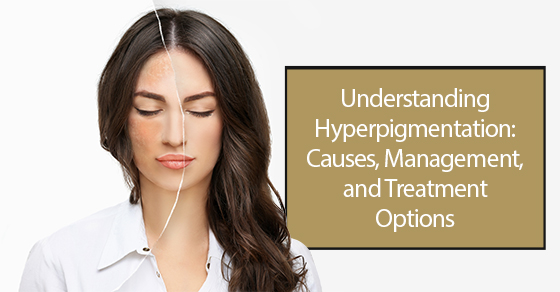
Hyperpigmentation is one of the most common skin concerns we treat at Laser & Skin Esthetics of Canada. Whether it shows up as acne marks, melasma, sun spots, or general uneven skin tone, pigmentation can be frustrating, especially when it does not seem to fade no matter what products you try.
Hyperpigmentation happens when the skin produces excess melanin, the pigment responsible for skin colour. This causes certain areas of the skin to appear darker than the surrounding skin. Depending on your skin tone and the depth of the pigment, these patches may appear brown, tan, gray, or even blue gray.
While hyperpigmentation can affect all skin types, it is especially common in medium to darker skin tones (Fitzpatrick IV to VI) because these skin types naturally contain more active melanin producing cells. This also means treatment needs to be approached carefully, as overly aggressive treatments can sometimes make pigmentation worse instead of better.
What Causes Hyperpigmentation?
There are several common causes of hyperpigmentation, and identifying the cause is one of the most important steps in choosing the right treatment.
Sun Exposure
Ultraviolet (UV) radiation stimulates melanin production as a natural protective response. Over time, repeated sun exposure can lead to sun spots, uneven pigmentation, and premature skin aging.
Post Inflammatory Hyperpigmentation (PIH)
Post inflammatory hyperpigmentation happens after the skin experiences irritation or trauma. Common triggers include:
- Acne breakouts
- Eczema
- Burns or cuts
- Picking at the skin
- Aggressive skincare treatments
Even after the inflammation has healed, dark marks can remain for months or longer.
Melasma
Melasma is a chronic form of pigmentation often triggered by hormonal changes, heat, and sun exposure. It commonly appears as symmetrical brown or gray brown patches on the cheeks, forehead, upper lip, or jawline.
Melasma can be particularly stubborn and often requires a long term management plan rather than a quick fix.
Improper Skincare or Harsh Treatments
Using strong acids, over exfoliating, or undergoing aggressive treatments without proper guidance can compromise the skin barrier and trigger additional pigmentation, especially in melanin rich skin.
Why Treating Hyperpigmentation in Darker Skin Requires Expertise
This is one of the most important things patients should understand.
Darker skin contains more active melanocytes (pigment producing cells), which means it can respond differently to heat, inflammation, and irritation.
At Laser & Skin Esthetics of Canada, one of the biggest mistakes we see is clients trying aggressive peels, harsh products, or treatments too early. In many cases, especially with melanin rich skin, this can actually worsen pigmentation rather than improve it.
This is why treatment needs to be customized.
Factors such as your skin tone, pigment depth, sensitivity, and treatment history all influence what can be done safely.
Our goal is not simply to fade pigment. It is to improve pigmentation safely while minimizing the risk of post inflammatory hyperpigmentation or rebound darkening.
Treatments for Hyperpigmentation
There is no one size fits all treatment for pigmentation.
The best treatment depends on:
- The cause of the pigmentation
- How deep the pigment sits in the skin
- Your skin type
- Your medical history
- Your sun exposure habits
In many cases, combination therapy produces the best results.
Medical Grade Skincare
Professional skincare is often the foundation of pigmentation treatment.
Ingredients that may help include:
- Vitamin C
- Niacinamide
- Azelaic acid
- Tranexamic acid
- Mandelic acid
- Lactic acid
- Tyrosinase inhibitors
- Retinoids
These ingredients help reduce pigment production, improve skin turnover, and support long term maintenance.
Chemical Peels
Chemical peels help exfoliate pigmented surface cells and encourage healthier skin renewal.
Chemical peels may help improve:
- Mild sun damage
- Uneven skin tone
- Acne marks
- Superficial pigmentation
For darker skin tones, proper peel selection and strength are critical to avoid irritation or rebound pigmentation.
Microneedling
Microneedling stimulates collagen production and supports natural skin repair.
This treatment can be beneficial for:
- Acne related pigmentation
- Post inflammatory hyperpigmentation
- Uneven skin texture
- Acne scarring
When properly performed, microneedling can improve both pigmentation and overall skin quality with minimal downtime.
Laser Pigmentation Treatment
For suitable candidates, laser treatment can target unwanted pigment more precisely than topical products alone.
At our clinic, we use advanced Q switched Nd:YAG laser technology (1064/532 nm) to treat certain pigmentation concerns while carefully selecting settings based on skin type and pigment depth.
Laser treatments may help improve:
- Sun spots
- Age spots
- Freckles
- Stubborn pigmentation
- Birthmarks
- Selected melasma cases after assessment
- Certain forms of post inflammatory pigmentation
Not every pigmentation concern is ideal for laser treatment. Conditions such as melasma often require a more cautious approach, as heat can sometimes worsen the condition.
This is why a thorough consultation is essential before treatment.
Can Hyperpigmentation Be Prevented?
While not all pigmentation can be prevented, these habits can significantly reduce the risk of worsening or recurrence.
Daily Sun Protection
This is one of the most important steps.
Use a broad spectrum SPF 30 or higher every day, even during winter or when spending most of your time indoors. UV exposure remains one of the biggest triggers for pigmentation.
Avoid Picking or Irritating the Skin
Picking acne, scratching, or repeatedly irritating the skin increases the risk of long lasting dark marks.
Seek Professional Guidance
Self treating pigmentation with harsh products or random online advice can often delay progress or worsen discoloration.
Professional guidance helps ensure the right treatment is chosen from the start.
How Long Does Treatment Take?
Pigmentation treatment requires patience.
Some superficial pigmentation may improve within a few weeks, while deeper or more stubborn pigmentation may take several months of consistent treatment.
Results depend on:
- Pigment depth
- Skin tone
- Homecare compliance
- Sun protection
- Hormonal factors
Consistency and proper maintenance play a major role in long term success.
Book a Hyperpigmentation Consultation in Oshawa
If you have been struggling with melasma, acne marks, sun spots, or stubborn pigmentation in areas such as around the mouth or along the sides of the forehead, it may feel like nothing has worked.
The first step is understanding why the pigmentation developed.
Once we identify the root cause, we can create a personalized treatment plan focused on safe, gradual, and long term improvement.
At Laser & Skin Esthetics of Canada, we take a careful, customized approach to pigmentation treatment, especially for clients with medium to darker skin tones where safety is critical.
Every pigmentation case is different, and choosing the right treatment can make all the difference.